What Is Kratom?
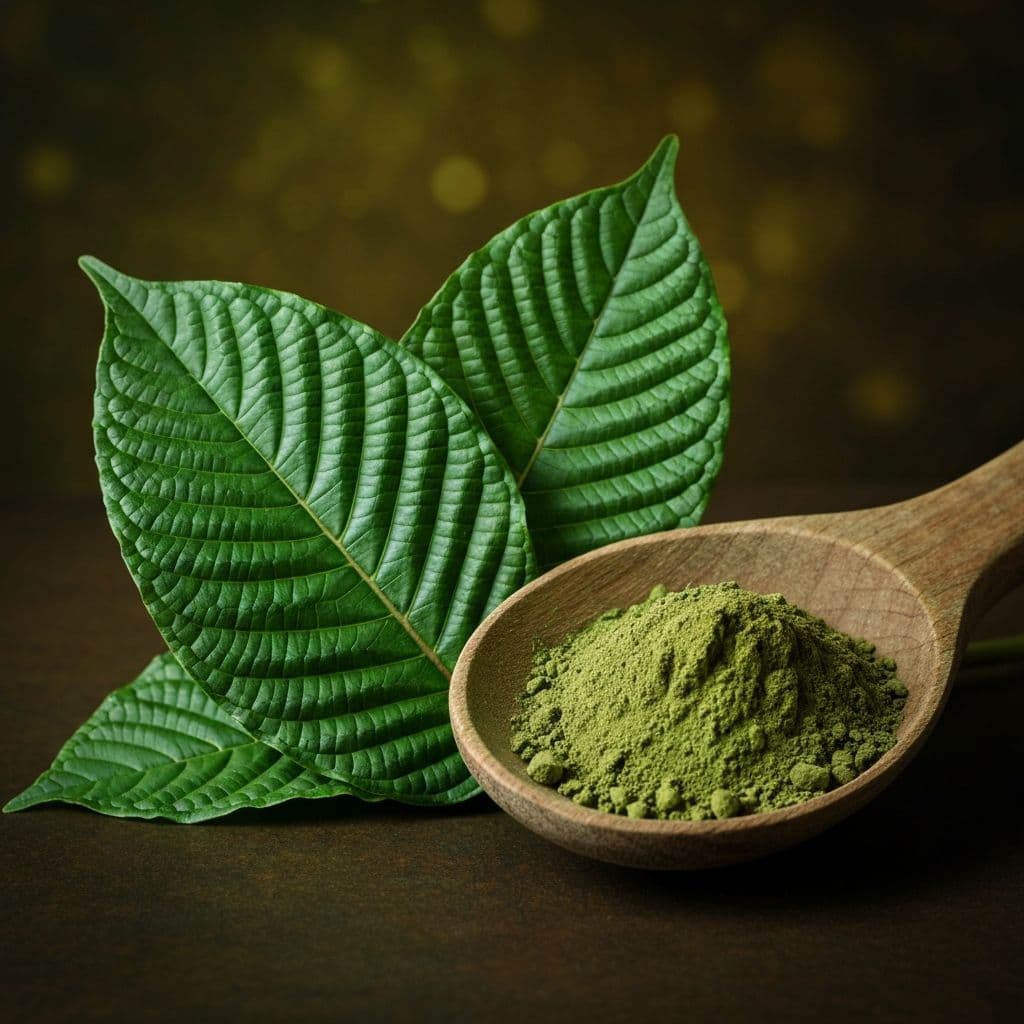
Kratom (Mitragyna speciosa) is a tropical tree in the coffee family (Rubiaceae) native to Southeast Asia — primarily Thailand, Indonesia, Malaysia, and Papua New Guinea. Its leaves have been used by indigenous populations for centuries as a traditional medicine, stimulant, and pain reliever.
In low doses, kratom acts as a stimulant. In higher doses, it produces opioid-like sedative and analgesic effects. This dual nature is at the heart of both its appeal and its controversy.
Active Compounds
The primary active alkaloids in kratom are mitragynine and 7-hydroxymitragynine. These compounds bind to opioid receptors in the brain, but with important differences from traditional opioids:
- They are partial agonists rather than full agonists at mu-opioid receptors
- They interact with additional receptor systems including adrenergic and serotonin receptors
- The ceiling effect on respiratory depression appears lower than with traditional opioids
Traditional and Current Uses
In Southeast Asian countries, kratom leaves were traditionally chewed by laborers to combat fatigue and increase productivity during long work days. It was also used medicinally for diarrhea, fever, and pain management.
In the Western world, kratom is primarily used for:
- Pain management, particularly musculoskeletal pain
- Self-management of opioid withdrawal symptoms
- Anxiety and mood support
- Energy and focus at lower doses
The Research Landscape
Kratom research is still in relatively early stages compared to many other botanicals. Key findings to date include:
"Kratom occupies a complex position in the pharmacological landscape — more potent than typical herbal supplements, but with a mechanism and risk profile distinct from classical opioids."
Several surveys of kratom users have found that the majority are using it for legitimate health purposes — primarily pain management and opioid withdrawal support — and that adverse events, while real, are less frequent than with pharmaceutical opioids at equivalent pain-relieving doses.
Regulatory Status
Kratom's legal status varies significantly by jurisdiction. It remains legal at the federal level in the United States, though several states have banned it. The DEA has previously attempted to schedule kratom as a Schedule I substance, which was reversed following significant public outcry and scientific pushback.
In its home countries of Thailand and Malaysia, kratom has historically been illegal, though Thailand recently removed kratom from its narcotics list in 2021.
Risk Considerations
Honest discussion of kratom requires acknowledging genuine risks:
- Physical dependence can develop with regular use, particularly at higher doses
- Withdrawal symptoms, while generally milder than opioid withdrawal, can be significant
- Drug interactions, particularly with other CNS-active substances, require caution
- Product quality is highly variable in an unregulated market
- Long-term effects remain understudied
Quality and Sourcing
If using kratom, sourcing from reputable vendors who conduct third-party testing for contaminants, adulterants, and alkaloid content is essential. The American Kratom Association's Good Manufacturing Practices (GMP) program provides a framework for quality assurance.
Conclusion
Kratom is a complex botanical that deserves nuanced, evidence-based discussion rather than sensationalism in either direction. For those who choose to use it, informed decision-making, responsible dosing, and awareness of risks are paramount. More rigorous research is urgently needed to fully characterize its risk-benefit profile.
This article is for informational purposes only and does not constitute medical advice. Consult a qualified healthcare provider before using kratom.