Introduction
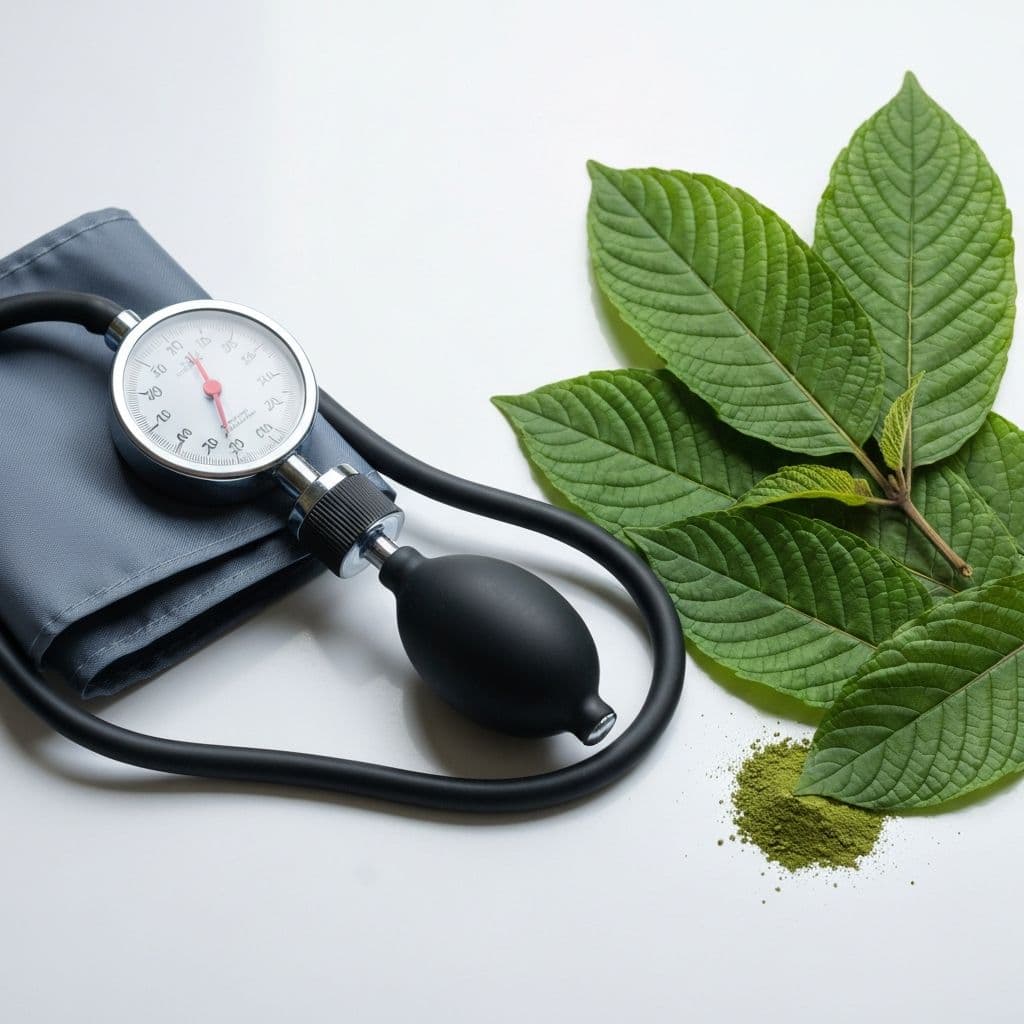
Kratom is gaining global popularity for its health benefits — but questions remain about its effects on the cardiovascular system. Is there a link between kratom use and blood pressure changes? If so, how significant is that risk, and how can it be managed? Here is what the current research and user experience actually tell us.
About Kratom
Kratom (Mitragyna speciosa) is a tree native to the humid climates of Southeast Asia — particularly Malaysia, Thailand, and Indonesia — where its leaves have been used medicinally for centuries. Its key alkaloids — 7-hydroxymitragynine and mitragynine — interact with opioid receptors in the brain, producing effects that range from stimulation and mood enhancement at lower doses to sedation and pain relief at higher doses.
Does Kratom Affect Blood Pressure?
Yes — kratom does affect blood pressure, primarily through its stimulant mechanism. The alkaloids in kratom trigger an adrenergic response in the nervous system, stimulating norepinephrine release. Norepinephrine is a hormone responsible for increasing blood pressure and supporting fat metabolism. This same mechanism is why kratom is classified as a nootropic — capable of enhancing cognitive function and memory.
High Doses and Hypertension Risk
The dose-response relationship is crucial. At higher doses, kratom can contribute to elevated blood pressure and heart rate, which for individuals with pre-existing hypertension represents a genuine risk — potentially increasing the likelihood of stroke or heart attack. This is why kratom users are consistently advised to stay within moderate dosages.
Research from Mahidol University in Bangkok found that kratom users experienced elevated blood pressure and heart rate, with the magnitude of increase correlating with age, activity level, and stress. However, with modest dosage adjustments, these cardiovascular effects were easily controlled.
At Lower Doses: A Different Picture
Interestingly, users who consume kratom in lower doses often report the opposite effect: relaxation of internal blood vessels, easier blood flow, and stable blood pressure. Some users report their blood pressure normalizing after kratom use at therapeutic doses. A Reddit user with a spinal cord injury reported that kratom helped normalize both blood pressure and blood sugar levels simultaneously.
Individual Variability
A significant portion of the population is unaware they have hypertension — meaning they may unknowingly be using stimulants that exacerbate the condition. Kratom users are advised to monitor blood pressure regularly, especially when starting out or changing dosages.
User-reported data from forums indicates that a dosage above 7 grams is more likely to produce noticeable blood pressure elevations. Below that threshold, most users report stable cardiovascular readings.
Strains to Avoid with High Blood Pressure
If you have pre-existing hypertension, the following high-stimulation strains should be avoided:
- Maeng Da — One of the most energizing and stimulating strains
- White Vein Thai — Known for potent stimulant properties
- Super Green Malay — Strong stimulant and focus-enhancing effects
- Red Borneo — Despite being a red vein, this strain has stimulant qualities for some users
Milder green and red strains with sedating rather than stimulating profiles are generally better tolerated by hypertensive individuals.
Optimal Dosage for Blood Pressure Safety
For blood pressure management:
- Keep doses below 5 grams per session
- Monitor blood pressure before and after consumption when starting
- Consult your physician if you are already on antihypertensive medications, as kratom may amplify or interfere with their effects
- Stay well-hydrated, as dehydration can independently raise blood pressure
Conclusion
Kratom's effect on blood pressure is real but highly dose-dependent and individually variable. At appropriate doses, most users experience no clinically significant cardiovascular changes. At higher doses, particularly for those with existing hypertension, caution is warranted. Regular monitoring, careful strain selection, and conservative dosing allow most users to enjoy kratom safely.