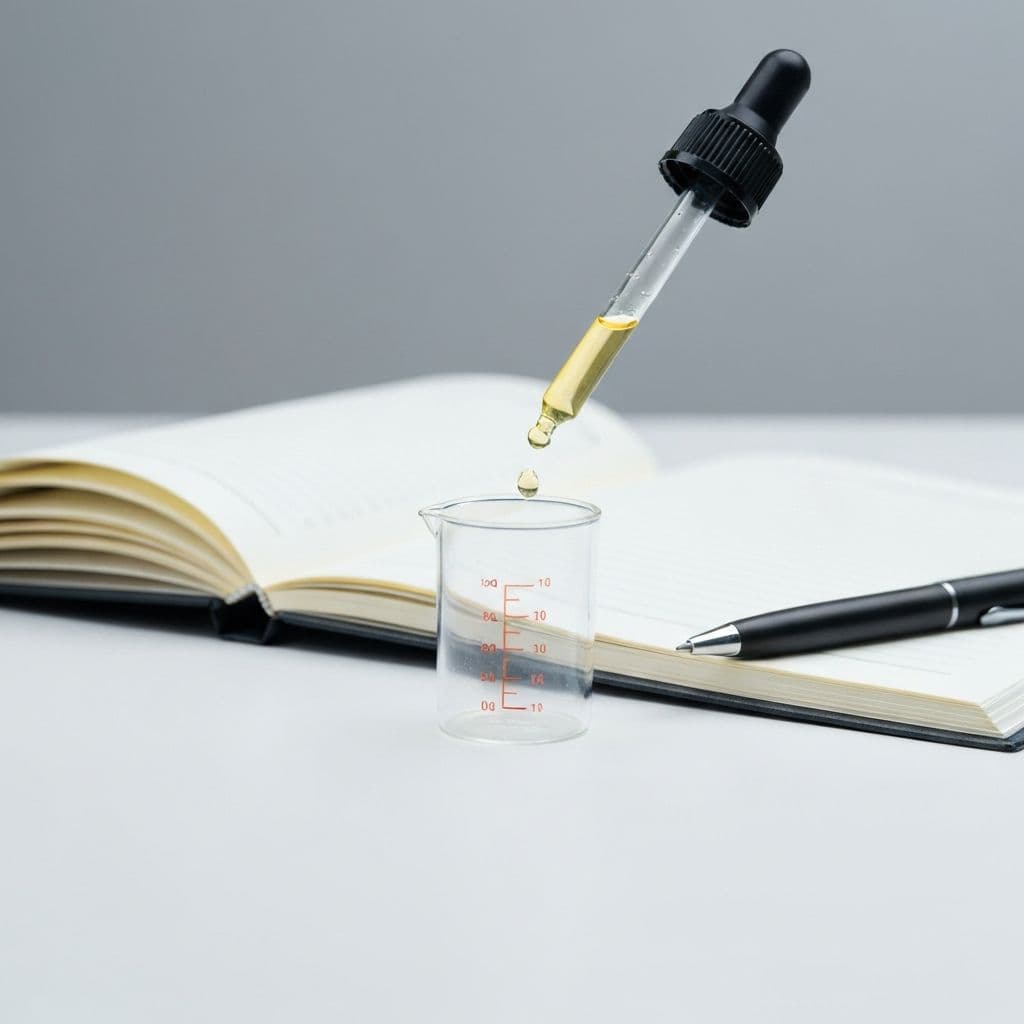
Why Dosage Matters
Knowing the right CBD oil dosage before you begin is critical. CBD and THC are the main extracts of the hemp plant. Unlike THC, CBD is non-psychoactive — it does not cause intoxication or the "entourage effect" associated with marijuana. CBD was discovered by Roger Adams in 1940, but it's only in recent years, following cannabis legalization reform, that mainstream interest has exploded.
The FDA has not approved or established a standard daily recommended intake for CBD. This makes it essential to approach dosing methodically and, wherever possible, with medical guidance.
Common Uses of CBD
- Reducing anxiety, depression, insomnia, and post-traumatic disorder
- Reducing epileptic seizures — children with seizure conditions have shown dramatic improvement; one documented case recorded 250 consecutive seizure-free days on CBD
- Relieving chronic pain — clinical trials with multiple sclerosis patients showed significantly less muscle spasticity vs. placebo
- Easing drug and nicotine withdrawal symptoms
Understanding CBD Types
CBD Isolate
Nearly 100% pure CBD with no other cannabinoids, terpenes, flavonoids, or THC (up to 0.3%). Comes as a white powder, easily dissolved in oil or food. Pure CBD isolate should not appear on a drug test and is non-addictive. Best for those seeking maximum purity or with sensitivities to other cannabinoids.
Full-Spectrum CBD
Contains all hemp plant extracts including THC (up to the legal limit of 0.3%). Provides the full medicinal benefits and the "entourage effect." Best for those in legal states who want maximum therapeutic benefit and don't require drug testing.
Broad-Spectrum CBD
Similar to full-spectrum but with THC completely removed. Ideal for those who want multiple cannabinoid benefits without THC exposure. Will not cause a high or trigger a standard drug test.
Factors That Determine Your Dosage
- Purpose of use — Chronic illness typically requires more CBD than mild pain management
- Body weight — Heavier individuals generally require more CBD to feel effects
- Individual tolerance — Some people are naturally more or less responsive to CBD
CBD Dosage by Pain Level and Weight
The following guidelines provide a starting framework (doses in mg, taken once or twice daily):
- 31–55 lbs: Mild 6mg / Moderate 8mg / Severe 10mg
- 56–80 lbs: Mild 8mg / Moderate 12mg / Severe 13mg
- 81–120 lbs: Mild 10mg / Moderate 15mg / Severe 15mg
- 121–180 lbs: Mild 13mg / Moderate 18mg / Severe 20mg
- 181–250 lbs: Mild 15mg / Moderate 20mg / Severe 25mg
- Over 250 lbs: Mild 20mg / Moderate 25mg / Severe 30mg
The maximum amount of CBD intake per day is 200mg. Always start low and increase gradually — most people find 10–40mg per day sufficient for general wellness.
Best CBD Dosage for Beginners
Start with 10–40mg per day. Begin at the lower end, assessing over 1–5 hours after each dose. If no effect is noticed, increase weekly by 20–25%. Monitor body weight, stress levels, metabolic rate, and body chemistry when calibrating.
Best CBD Dosage for Regular Users
Regular users who have found an optimal dose should continue at that level. If effects diminish over time, gradually increase by 25% — research indicates some users develop tolerance with daily use.
Calculating CBD Per Drop
For tincture users:
- Note the total CBD amount on the bottle (e.g., 500mg)
- Note the bottle volume (e.g., 25ml)
- Divide: 500mg ÷ 25ml = 20mg per ml
- One dropper ≈ 1ml ≈ 20 drops
- Per drop: 20mg ÷ 20 = 1mg per drop
Methods of Taking CBD
- Sublingual — Place drops under tongue, hold 1 minute, swallow. Fast absorption (15 mins). Discreet and efficient
- Vaping — Fastest method (under 5 mins). CBD directly absorbed in lungs. Requires vaporizer pen; not discreet; no long-term effects
- Edibles — Easiest method. Incorporated into food. Slowest absorption but longest-lasting entourage effect
- Topical/ointment — Cream or balm applied directly to skin. Mildest overall effect but excellent for targeted relief of arthritis, cramps, acne, and migraines
What if I Overdose?
No documented case of a fatal CBD overdose exists. Research from 2017 indicates it would require approximately 20,000mg taken in a very short period to approach toxicity. The daily maximum is 200mg. Taking "too much" CBD (more than necessary) may cause dizziness, fatigue, nausea, vomiting, or diarrhea — all manageable by reducing dose.
Do You Need a Medical Card?
In states that have fully legalized recreational cannabis use — including California, Colorado, Oregon, Michigan, Illinois, Massachusetts, and others — you only need proof of age (21+) to purchase CBD. In amber states (medical use only), a medical marijuana card is required. Nebraska, Idaho, and South Dakota currently do not permit hemp or hemp-based product use.
Conclusion
There is no single perfect CBD dosage, but methodical titration — starting low, increasing gradually, and tracking your body's response — will get you to your optimal dose. Always consult a physician, prioritize third-party tested products, and view CBD as a complement to, not a replacement for, healthy lifestyle fundamentals.